April 7, 2026
The outdoor kitchen has become more popular as homeowners seek to extend their living spaces into the open air. These spaces are no longer simply utilitarian but have evolved into sophisticated outdoor environments where cooking meets entertainment and relaxation. According to This Old House, 75% of homebuyers divulged they would prioritize homes that had outdoor living spaces over those lacking this feature. Incorporating the latest trends in outdoor kitchen design not only enhances your property's aesthetics but also boosts its value. In this article, we will explore the most significant trends that are transforming backyards and terraces into functional and stylish kitchens.
1. Incorporating Eco-Friendly Materials
Using Sustainable Decking and Surfaces
The modern kitchen increasingly features eco-friendly materials. Sustainable decking made from bamboo or FSC-certified woods offers an excellent, durable option. These materials not only look attractive but also reduce the carbon footprint compared to traditional wood options. Using pavers and surfaces made from recycled materials adds an additional layer of environmental responsibility. Incorporating sustainable surfaces ensures that kitchens are both functional and environmentally conscious.
Integrating Recycled and Renewable Resources
Emphasizing recycled and renewable resources represents a critical shift in how kitchens are constructed. Stainless steel can often be recycled, minimizing waste and environmental impact, while countertops made from recycled glass or composite materials reduce the need for new resources and provide unique aesthetics. Wood alternatives like bamboo and reclaimed wood are increasingly preferred for cabinetry and outdoor furniture. These choices allow kitchens to be both modern and mindful of the environment.
Adopting Low-Impact Design Strategies
Low-impact designs focus on how spaces interact with the surrounding environment. Kitchens often use strategic layouts that minimize the amount of raw material required. Clever integration into existing landscapes ensures designs complement rather than compete with nature. Incorporating solar-powered lighting and energy-efficient appliances further reduces reliance on non-renewable energy. This approach balances sustainability with functionality and visual appeal.
2. Maximizing Multi-Functional Spaces
Integrating Dining Areas for Versatility
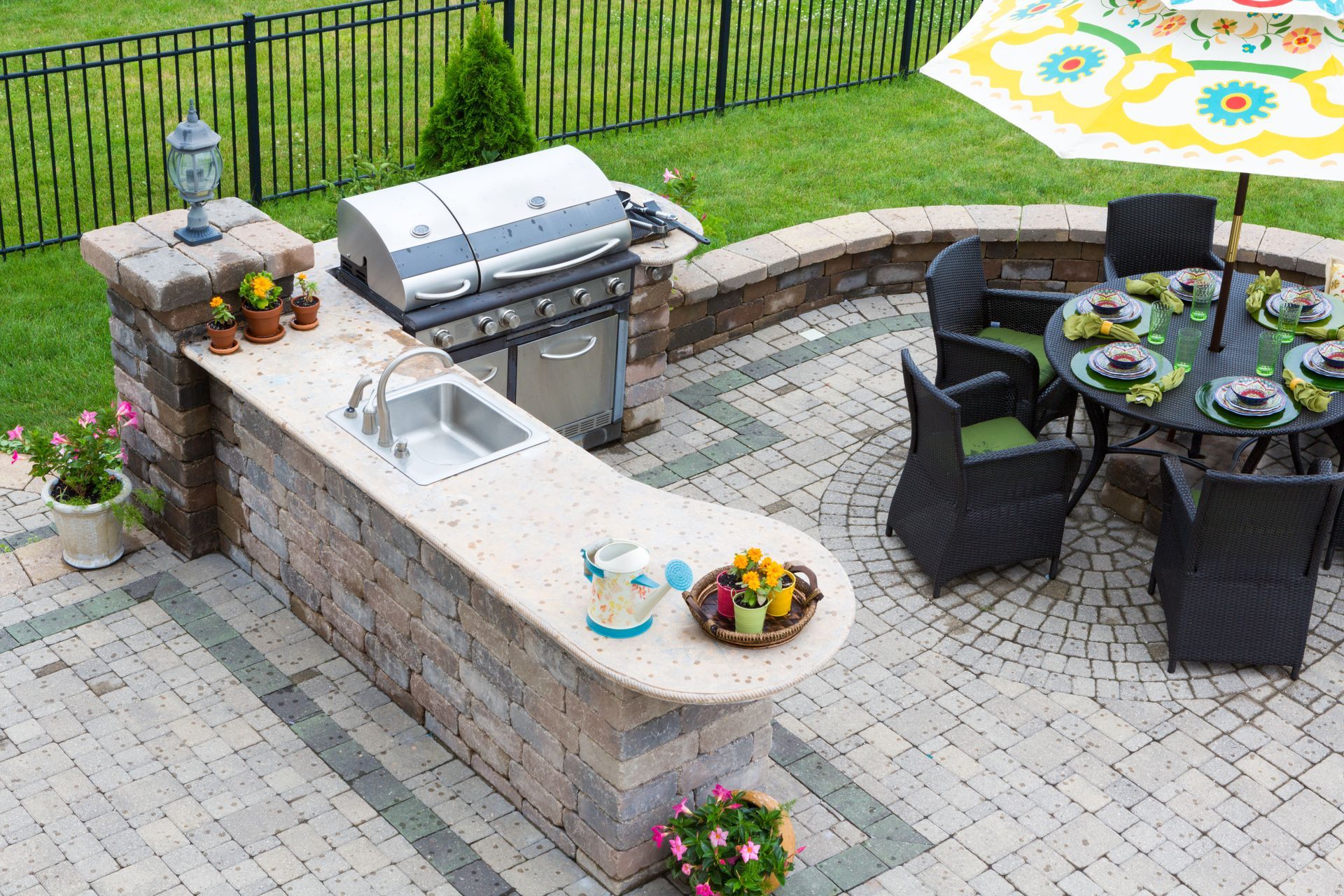
Integrating dining areas into outdoor kitchen design creates versatile spaces that enhance usability. By blending cooking and dining areas, these designs encourage interaction and social engagement. Islands and extended countertops provide casual dining spaces for quick meals or buffets, while full tables accommodate more formal gatherings. Multi-functional layouts ensure that your outdoor kitchen can host a variety of activities without feeling cluttered.
Incorporating Hybrid Cooking Zones
Hybrid cooking zones combine multiple cooking methods and equipment to create dynamic kitchens. A setup might feature a traditional grill, a side burner, and a pizza oven within the same space. This versatility allows homeowners to experiment with different cooking styles and efficiently use the available area. Blending various cooking zones turns kitchens into interactive and engaging spaces that go beyond simple meal preparation.
These hybrid zones also encourage social interaction by creating multiple focal points for cooking and entertaining simultaneously. They allow multiple family members or guests to participate in meal preparation without crowding a single cooking area. Additionally, combining appliances and techniques in one space can optimize workflow, reduce cleanup time, and make outdoor kitchens more efficient and enjoyable for all users.
3. Implementing Weather-Resistant Features
Selecting Durable Materials for Longevity
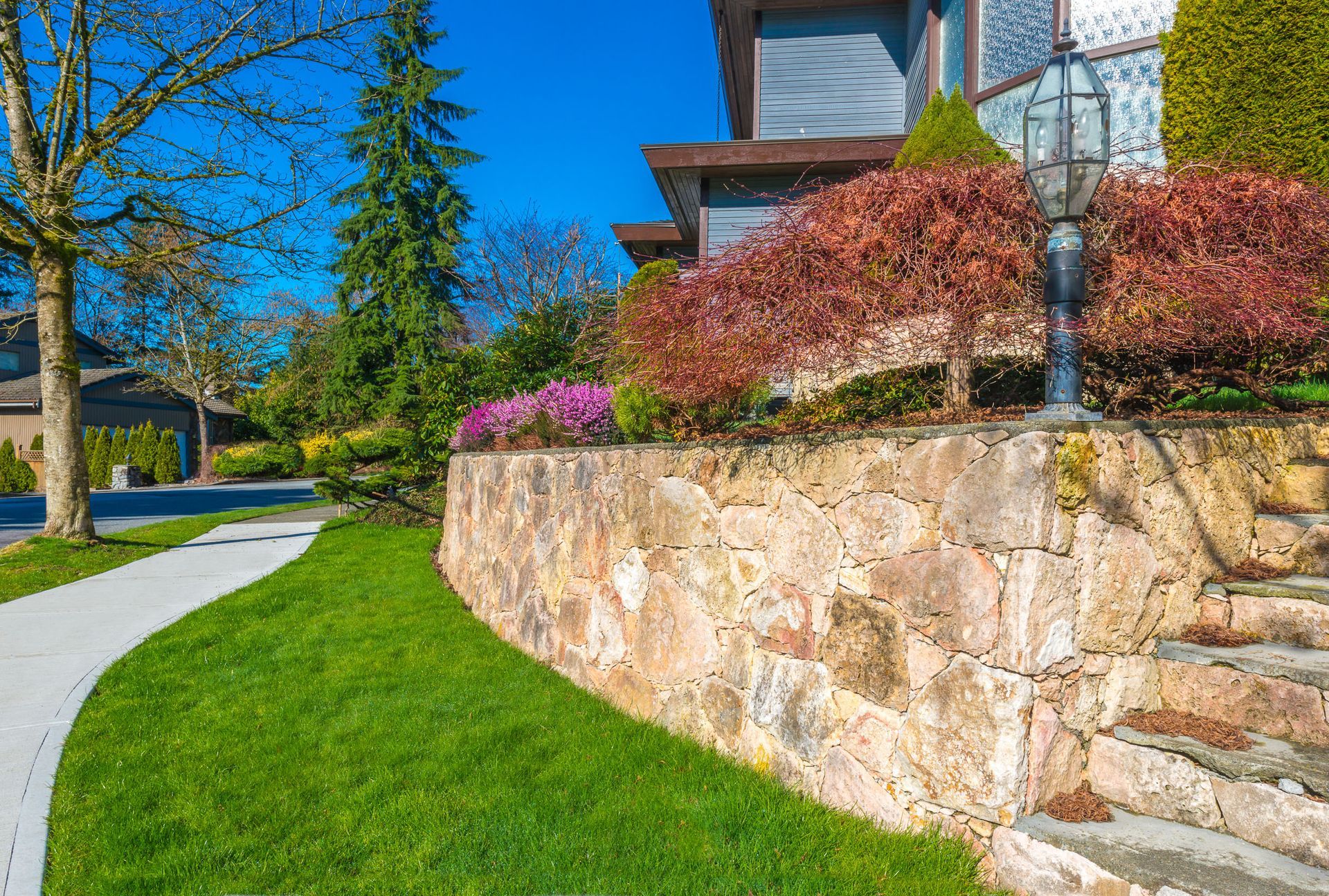
Creating functional kitchens begins with high-quality hardscaping. Patios, walkways, and retaining walls made from concrete, pavers, or natural stone ensure durability while enhancing visual appeal. Incorporating weather-resistant materials protects kitchens from damage caused by rain, sun, and temperature changes. This approach ensures spaces remain usable and attractive year-round.
Providing Protection Against Outdoor Elements
Shielding kitchens from environmental factors is essential for longevity. Installing pergolas, awnings, or retractable canopies provides protection from sun and rain, while transparent windbreaks maintain openness while reducing exposure to strong winds. Using high-performance coatings and durable materials ensures your outdoor kitchen remains functional in all seasons. Well-protected kitchens can be enjoyed regardless of changing weather conditions.
4. Enhancing Bold Design Aesthetics
Incorporating Colorful Decor Elements
The common trait you'll see these days is an increasingly bold aesthetic to reflect personal style. Adding vibrant cushions, rugs, or dishware introduces personality and visual interest. Contrasting or complementary colors can highlight architectural features and create dynamic outdoor spaces. Thoughtful decor updates allow homeowners to refresh the look of their outdoor kitchens without extensive renovations.
Utilizing Statement Lighting
Statement lighting adds character and visual appeal to an outdoor space. Oversized pendant fixtures or strings of Edison bulbs define specific areas within open layouts. Lighting not only serves a functional purpose but also elevates the ambiance of outdoor spaces. Carefully designed lighting can transform the atmosphere of an outdoor kitchen for evening gatherings and entertainment.
Beyond aesthetics, statement lighting can enhance safety and navigation in outdoor spaces during nighttime use. Strategically placed fixtures highlight walkways, cooking zones, and dining areas, reducing the risk of accidents. Incorporating dimmable and adjustable lights allows homeowners to set the mood for intimate dinners or lively parties, making outdoor kitchens versatile for multiple occasions.
Adding Eye-Catching Hardscaping
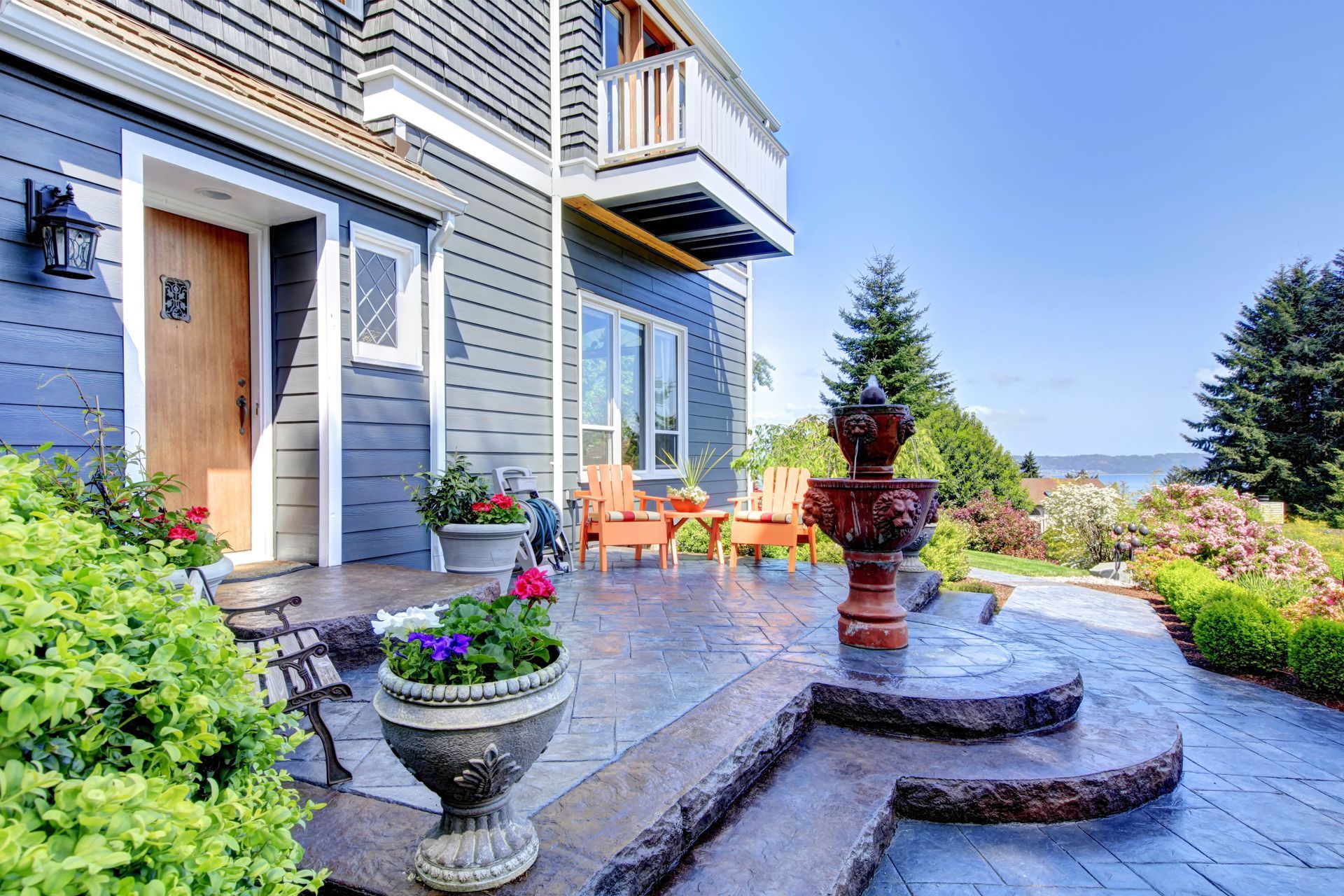
Incorporating decorative elements such as patterned concrete, retaining walls, or stone pathways enhances the visual impact of outdoor spaces. Using a variety of textures, colors, and shapes creates interest and highlights architectural details. Well-designed hardscaping ensures that outdoor kitchens feel like seamless extensions of the home, blending beauty and functionality effectively.
Hardscaping can also help define distinct zones within outdoor spaces, guiding movement and creating natural boundaries. Layering materials and textures adds depth, creating a visually rich environment that draws the eye. Additionally, integrating functional elements such as steps, raised platforms, or seating walls can make outdoor spaces more practical while maintaining a polished appearance.
Integrating Unexpected Materials
Using unexpected materials adds unique texture and contrast. Materials like metal mesh, concrete, or reclaimed wood create industrial, rustic, or contemporary looks. Finishing touches, including art installations or creative tiling, enhance the distinctiveness of the space. Selecting unconventional materials allows homeowners to craft outdoor spaces that reflect individuality and creativity.
Experimenting with different materials also allows for enhanced durability and low maintenance in key areas. Combining soft and hard textures, such as wood with stone or metal with brick, can create a balanced and inviting atmosphere. Thoughtful placement of unconventional materials ensures they enhance the overall design without overwhelming the visual harmony of the outdoor kitchen.
5. Applying Personalized Customizations
Implementing Tailored Storage Solutions
Tailored storage solutions enhance the kitchen's functionality. Custom cabinetry can accommodate specific utensils or equipment while maintaining a tidy appearance. Incorporating hidden storage areas ensures the space remains organized and practical. Personalized storage options optimize workflow and create an efficient cooking environment.
Thoughtfully designed storage also allows homeowners to keep frequently used items within easy reach while minimizing clutter. Adjustable shelving, pull-out drawers, and integrated compartments can adapt to changing needs, making the outdoor kitchen more versatile. By combining functionality with style, tailored storage solutions contribute to a polished and efficient outdoor cooking space that is both practical and visually appealing.
Emphasizing Personal Style
Personal style is an essential aspect of kitchen design. Choices regarding materials, finishes, and layout allow homeowners to create spaces that reflect individual tastes. Installing distinctive features such as a small herb garden or water element enhances both function and aesthetic appeal. Thoughtful personalization increases enjoyment and ensures the outdoor kitchen is tailored to the homeowner's lifestyle and preferences.
These kitchens are increasingly becoming extensions of the home, designed to reflect personal style and lifestyle needs. Thoughtful design, durable materials, and well-planned layouts can transform our outdoor areas into versatile, functional, and inviting spaces. To explore how you can create an outdoor kitchen that blends beauty, comfort, and practicality, learn more from Mosier's Landscape Solutions, LLC.