January 30, 2026
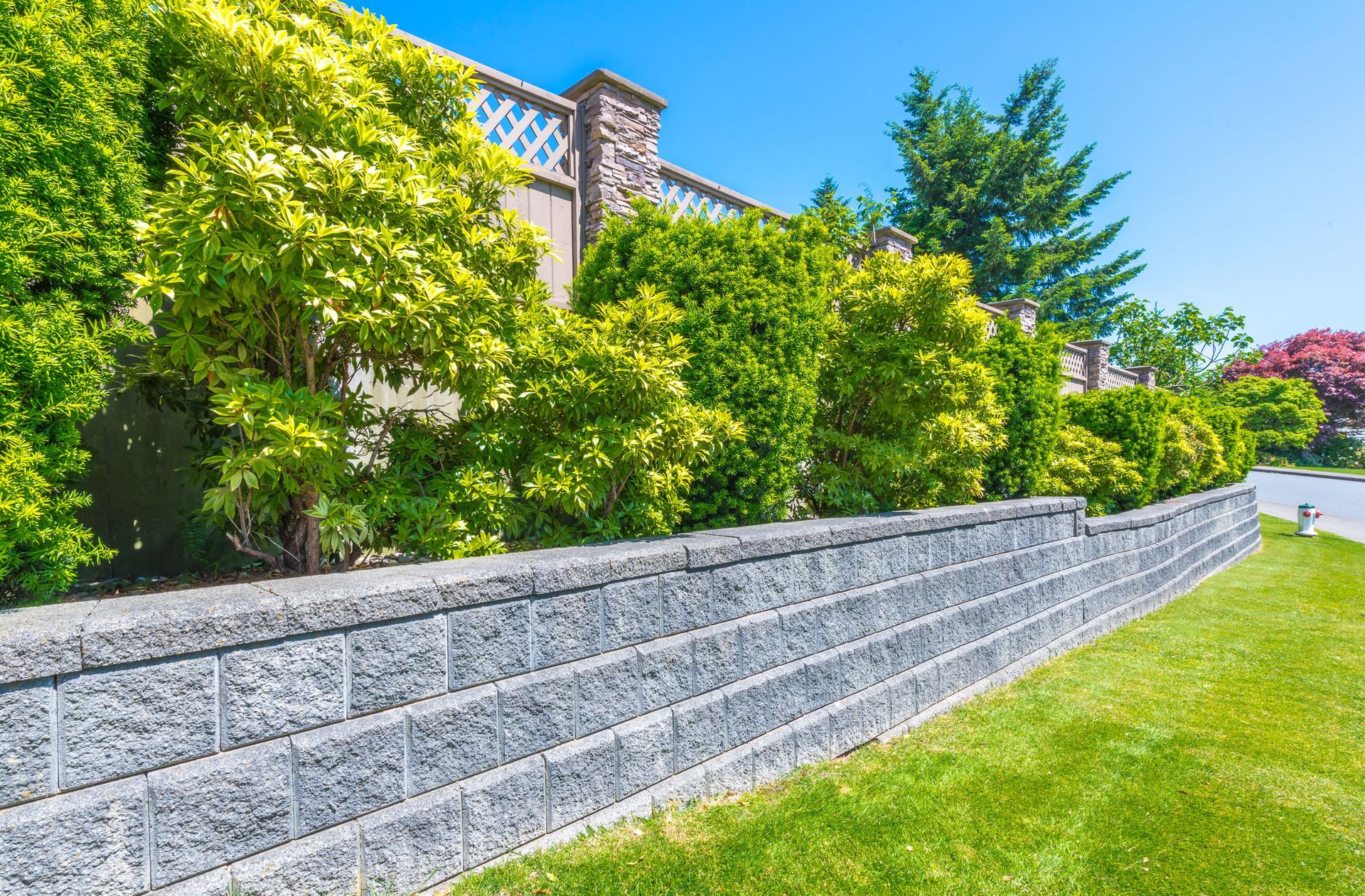
Retaining walls do more than just hold back soil; they can drastically enhance the aesthetics of a property. Whether you're dealing with a sloped yard or just want to create different levels of interest, a well-designed retaining wall can become a beautiful focal point. From natural stone to mixed materials and even integrated water features, the possibilities are vast.
1. Incorporating Natural Stone for an Organic Look
Natural stone retaining walls provide an organic and timeless appeal that seamlessly blends with most landscapes. When selecting the right type of stone, factors such as color, texture, and durability should be considered to complement your home’s facade. Using native stones can enhance the natural appearance and help the wall blend into the surrounding environment. Furthermore, choosing stones with varying shades can add depth and visual interest to the design. Carefully planned landscaping will further integrate the wall into the natural surroundings, creating a harmonious transition guided by a skilled retaining wall contractor.
Blending a retaining wall with the natural environment requires strategic planning and an eye for detail. Opting for stones that are native to the region can make the wall look like a natural extension of the terrain. By selecting stone colors that harmonize with the home's exterior, the wall becomes a seamless and cohesive element within the landscape. Additionally, tiered planting can be employed to soften the edges of the wall and integrate it with the landscape. With proper management and maintenance from a retaining wall contractor, natural stone walls can stand the test of time, offering both beauty and function.
Maintenance is crucial to preserving the integrity and aesthetic of natural stone walls over time. Regular inspections to check for shifting stones or cracks can prevent larger structural issues down the road. Implementing a drainage system is vital to control water flow and reduce pressure on the wall. Many municipalities require permits for walls taller than 4 feet, as highlighted by LawnStarter, so it's important to check local regulations before beginning construction. With proper upkeep from a reliable retaining wall contractor, natural stone retaining walls can continue to enhance the property’s curb appeal for many years.
2. Using Mixed Materials for a Contemporary Twist
Incorporating different materials into a retaining wall design can give it a modern and contemporary twist. Combining wood and metal not only creates a sleek appearance but also provides durability and robustness. Metal provides strength and a refined look, while wood adds warmth, texture, and a natural element to the design. Moreover, using weather-resistant finishes on wood can ensure longevity against the elements. This blend of materials promotes both visual interest and structural integrity, especially when advised by a retaining wall contractor.
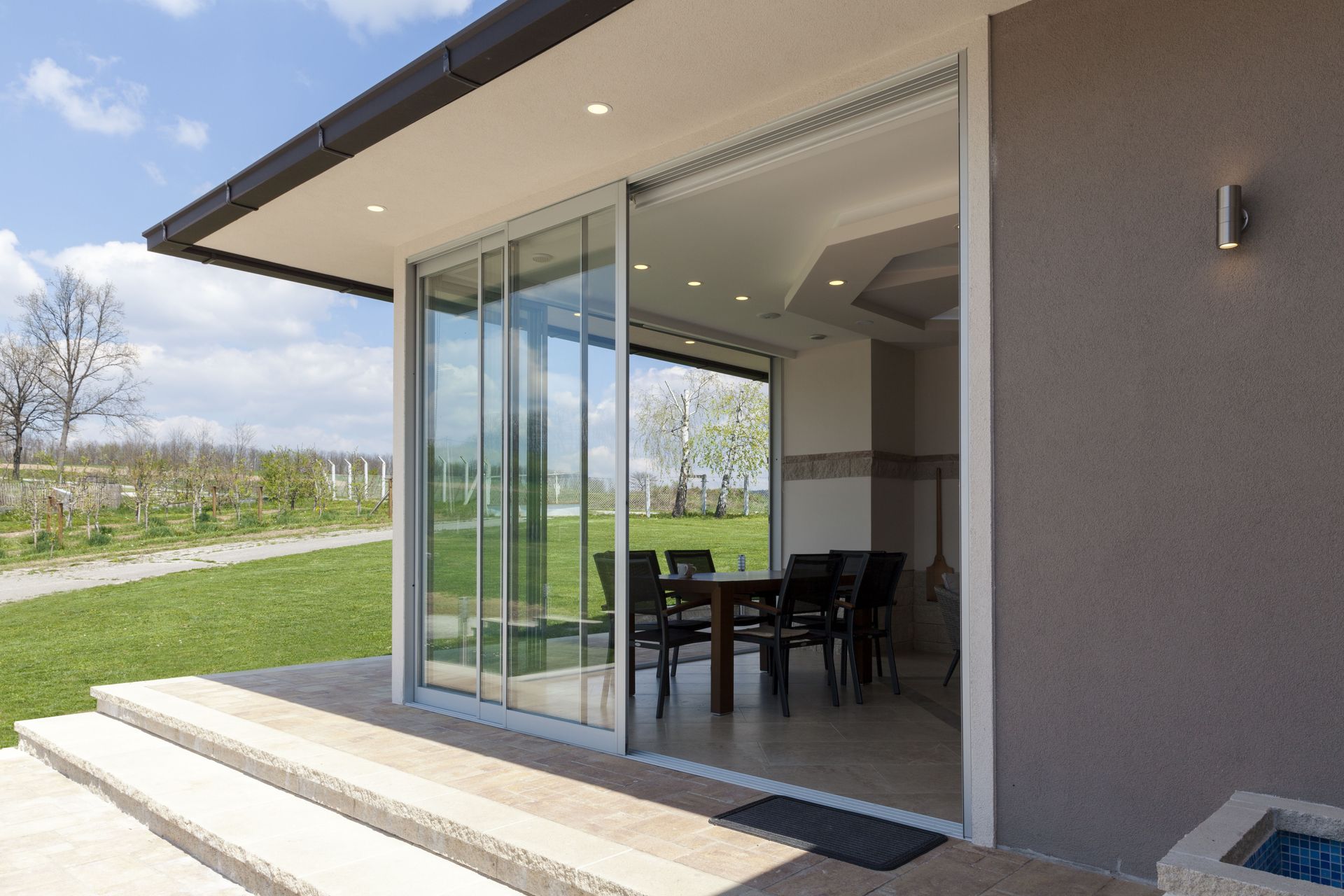
Integrating glass elements can add an unparalleled sense of transparency and lightness to retaining walls. Glass panels provide a unique aesthetic, offering unobstructed views of the garden or landscape beyond. While glass may not be the primary structural element, it can act as an ornamental feature within a larger design. This innovation demands careful planning and precise execution, especially in terms of weight distribution and anchoring. With the right balance, glass within a retaining wall can make the structure elegant and contemporary.
Concrete and timber offer another dynamic pairing that brings textured contrast to retaining walls. The rough, industrial feel of concrete can be softened by the warm, natural presence of timber. This combination appeals to those looking for a balanced, modern look while considering longevity and resistance to different weather conditions. Symmetrical arrangements using mixed media can enhance the structured and orderly appearance further. Balancing these materials is key, as they should work together to create an inviting and durable outdoor feature.
3. Designing Multi-Tiered Retaining Walls
Multi-tiered retaining walls present an opportunity to create spaces with various functions, like patios, flower beds, and decorative elements. By planning distinct uses for each tier, the entire structure can transform into a functional and aesthetically pleasing landscape feature. Each level can handle a different purpose, whether it's showcasing unique plant selections or housing a quiet seating area. The contrast between functional space and decor can turn a simple slope into a versatile landscape, especially when a retaining wall contractor is involved in the design.
Opting for different materials for each level of a tiered retaining wall can enhance its visual complexity and attractiveness. The use of stone at the base, timber in the middle, and metal adornments at the top tiers creates an engaging and varied aesthetic. This strategy allows each tier to stand out while still harmonizing with the others. Together with varied plantings, this approach can captivate attention and establish a dynamic layered design. Addressing drainage is crucial in such multi-level arrangements, ensuring water does not accumulate.
Enhancing visual interest within tiered retaining walls can be achieved with strategic plant selections and integrated lighting. Plants can bring color and life to each tier, ensuring an inviting appearance every season. At dusk, well-placed lighting can highlight the architectural details of the wall, enhancing its nighttime allure. Proper drainage is essential to prevent erosion, which can damage the structure over time. Not only does this focus on utility, but it also embellishes the landscape, lifting the overall outdoor aesthetic.
4. Incorporating Greenery and Vertical Gardens
Introducing greenery into retaining walls can transform utilitarian structures into lush, vibrant garden features. Selecting plant species that are well-suited for vertical environments is essential to ensure their long-term health and visual impact. Hardy, low-maintenance plants with extensive root systems, such as creeping thyme, excel in these applications. The integration of plants provides both ecological and aesthetic benefits.
Vertical gardens on retaining walls can enhance texture and visual interest in unexpected ways. These installations create opportunities for introducing a tapestry of colors and forms, transforming plain walls into living works of art. The use of planters or modular systems can offer flexibility, allowing wall gardens to change with the seasons or as desired.
Maintaining plant-studded walls requires thoughtful planning and regular upkeep to ensure plants thrive. The choice of plant material, irrigation considerations, and soil type all impact the success of a green retaining wall. Seasonally, different plants bloom, offering changing displays of color and texture throughout the year. Climbing vines are particularly effective for softening hard edges, creating a gentle transition between structure and nature.
5. Integrating Seating Options into Retaining Walls
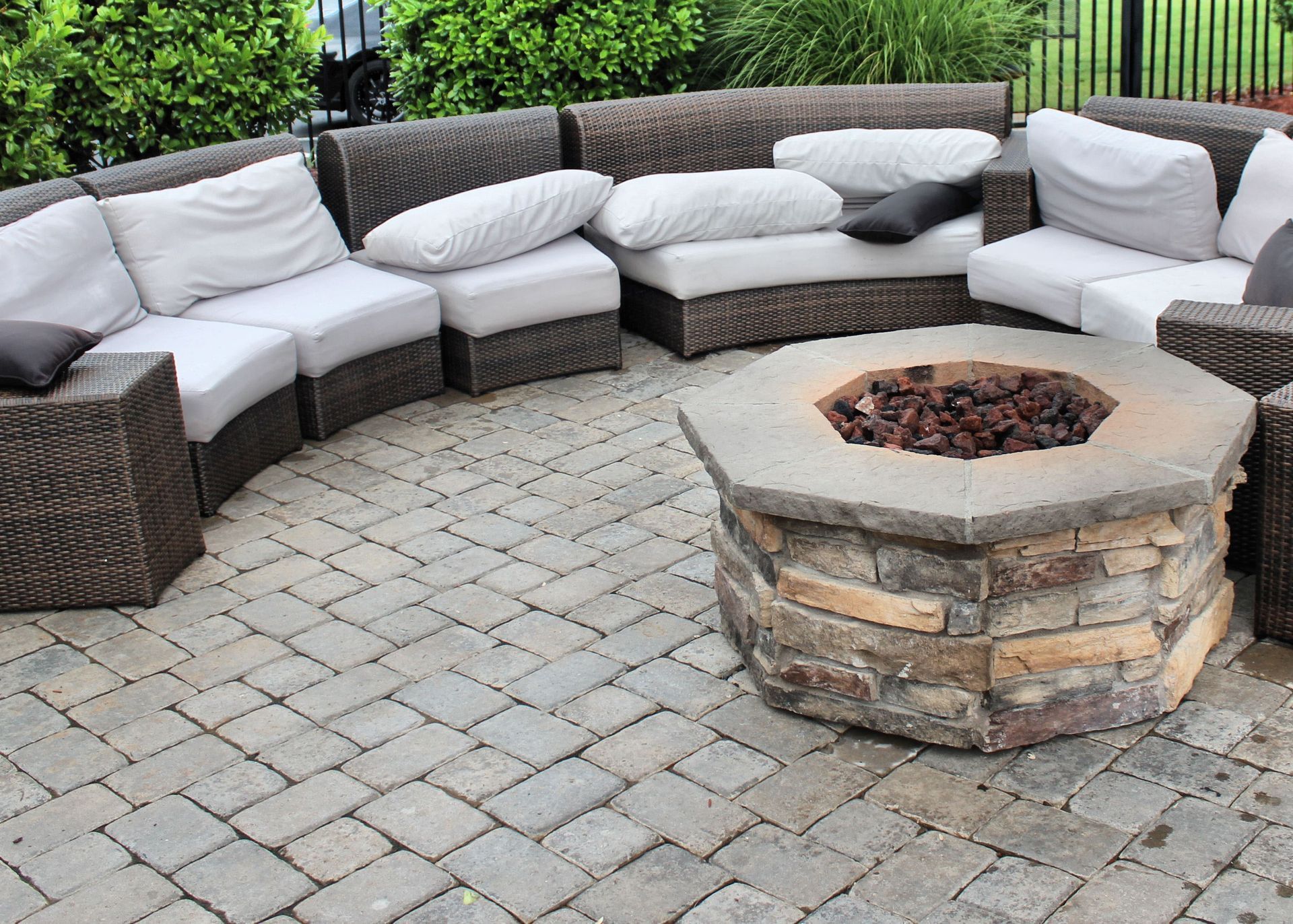
The integration of seating within retaining walls can turn them into multifunctional features that offer both practicality and style. Built-in bench seats are a fantastic way to provide discreet and permanent seating in an outdoor area. Such designs effortlessly blend functionality with aesthetics, creating spaces where people can relax and enjoy their surroundings. By utilizing materials that match the retaining wall, the seating can appear as a natural extension of the structure.
Seating areas can be designed to capitalize on viewpoints or enhance social occasions in the outdoor landscape. By situating seating at strategic locations, such as facing a garden or following the sun's path, spaces can maximize their usability and comfort. Cushioning and accessories can elevate these areas into comfortable retreats, pampering guests and homeowners alike. Additionally, the integration with natural features, such as tree canopies or water views, adds to the charm of the setting. Thoughtful design considers user experience and encourages relaxation and connection with nature.
Safety and stability are important considerations when incorporating seating structures into retaining walls. While comfort is a priority, firmly anchoring seating areas ensures they remain resilient to the elements. According to LawnStarter, taller walls often require permits, and local regulations should be reviewed to ensure compliance, especially when adding structural elements like benches. Having a retaining wall contractor test and reinforce the support structures is crucial to prevent potential safety hazards.
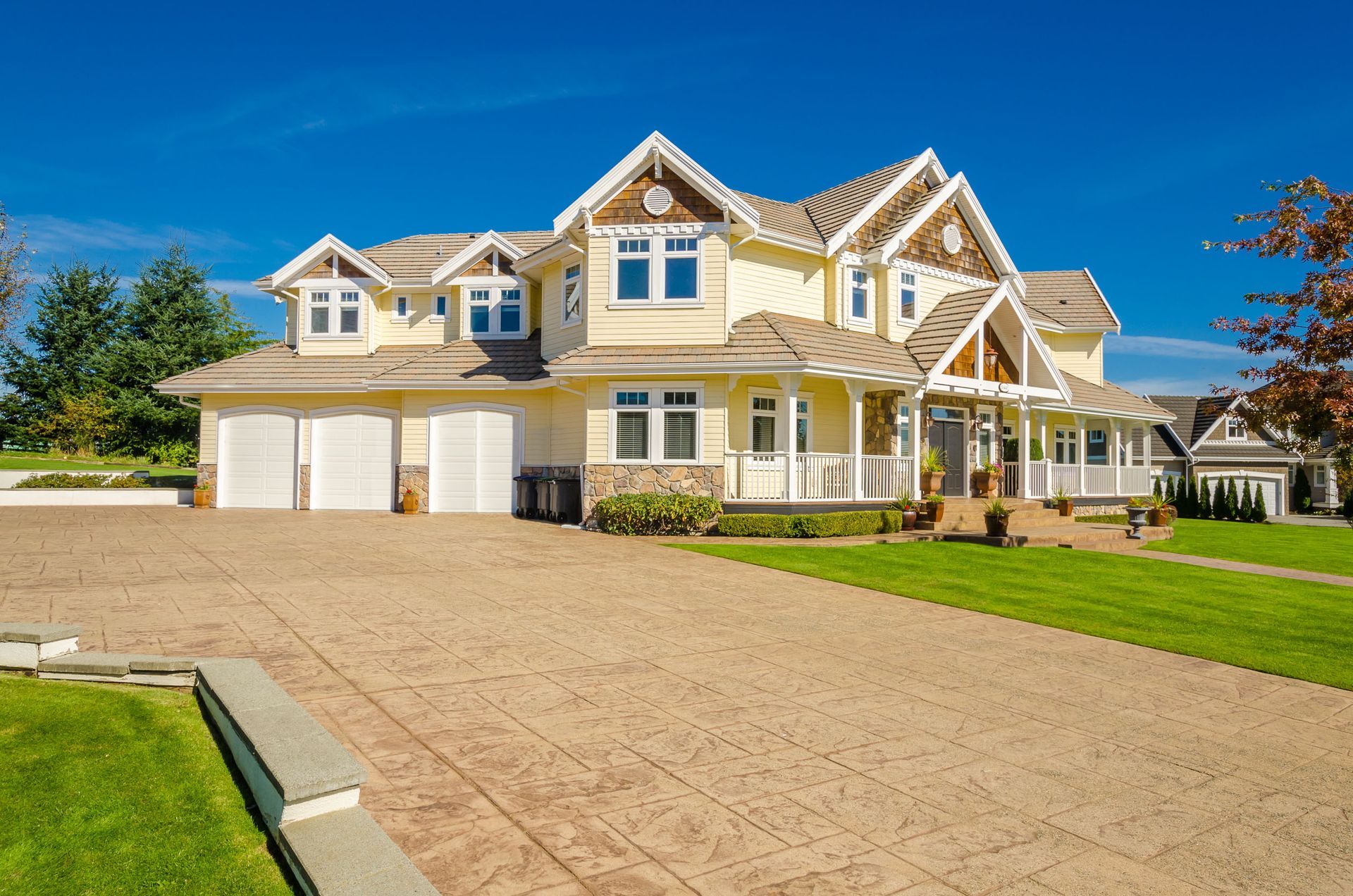
A well-designed retaining wall not only fulfills a practical role for landscape architects but also acts as a key element in elevating a property's exterior beauty. By exploring a variety of materials, incorporating multi-tiered structures, introducing greenery and seating, and considering the addition of water features, homeowners can dramatically enhance their curb appeal while addressing structural needs. Whether aiming for a natural, modern, or eclectic aesthetic, the possibilities for creativity in retaining wall designs are virtually limitless. For more information about how a retaining wall contractor can help you, contact Mosier's Landscape Solutions, LLC today!